
What kind of drones do firefighters use?
Firefighters primarily rely on thermal imaging drones (also called thermal drones) — UAVs outfitted with specialized infrared sensors to detect heat signatures from fires, hotspots, and trapped personnel. These drones analyze temperature variations in real time, helping teams identify flame spread, assess fire intensity, and maintain situational awareness — even in low-visibility smoke or nighttime conditions.
UFOUAV’s industrial firefighting drones are purpose-built for these high-stakes scenarios: our multi-rotor platforms integrate rugged thermal cameras, long-endurance batteries, and stable flight control systems to deliver reliable data when it matters most, supporting early fire detection and coordinated response efforts.
What drone detects fire?
Fire detection drones use specialized sensor suites and AI-powered software to identify active fires and potential hazards. Thermal imaging is the most widely adopted technology: infrared cameras on these UAVs capture heat radiation, while on-board algorithms flag temperature anomalies that signal hotspots or smoldering fires.
UFOUAV’s fire detection drones combine high-resolution thermal sensors with edge computing, enabling rapid, automated hotspot identification. Our systems are calibrated to withstand high temperatures and heavy smoke, ensuring consistent performance in the harshest firefighting environments.
How much does a firefighting drone cost?
Firefighting drone pricing varies by capability, payload, and build quality:
- Entry-level thermal imaging models: $5,000 – $10,000 (basic thermal payload, shorter flight time)
- Mid-range professional drones: $10,000 – $20,000 (enhanced thermal resolution, longer endurance, basic autonomy)
- Industrial-grade firefighting drones: $50,000+ (advanced sensors, extended battery life, ruggedized design, and full-service support)
UFOUAV offers tailored pricing for emergency services: our firefighting UAV packages include specialized payload integration, operator training, and 24/7 technical support, ensuring your team gets a cost-effective solution built for long-term reliability.
Can drones be used for firefighting operations directly?
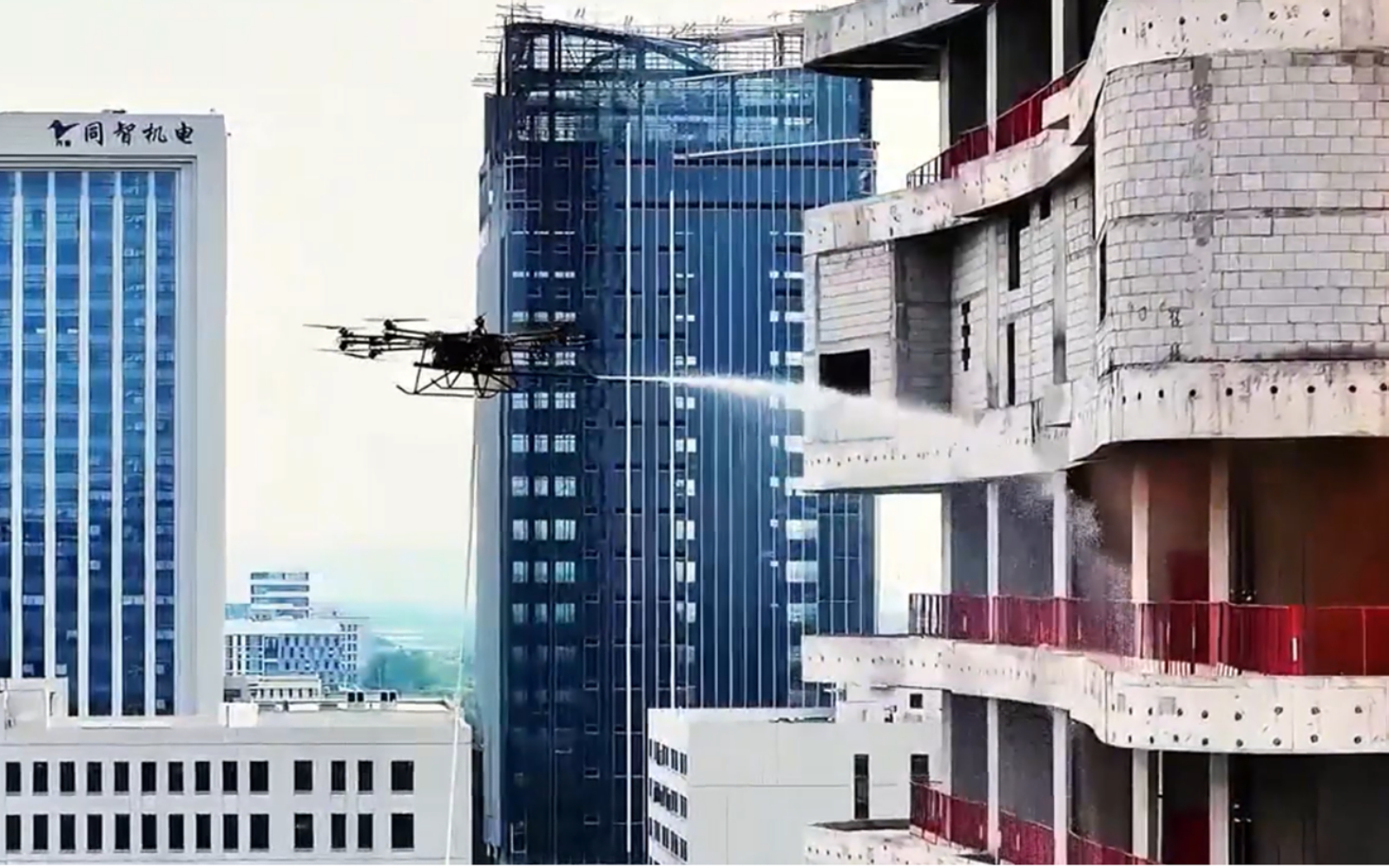
While drones cannot fully replace traditional fire suppression methods (like direct water or foam application), they provide critical indirect support to firefighting teams. Drones deliver real-time HD video and thermal imagery for situational awareness, generate 3D models of complex terrain or burning structures, and relay communication between ground crews and command centers.
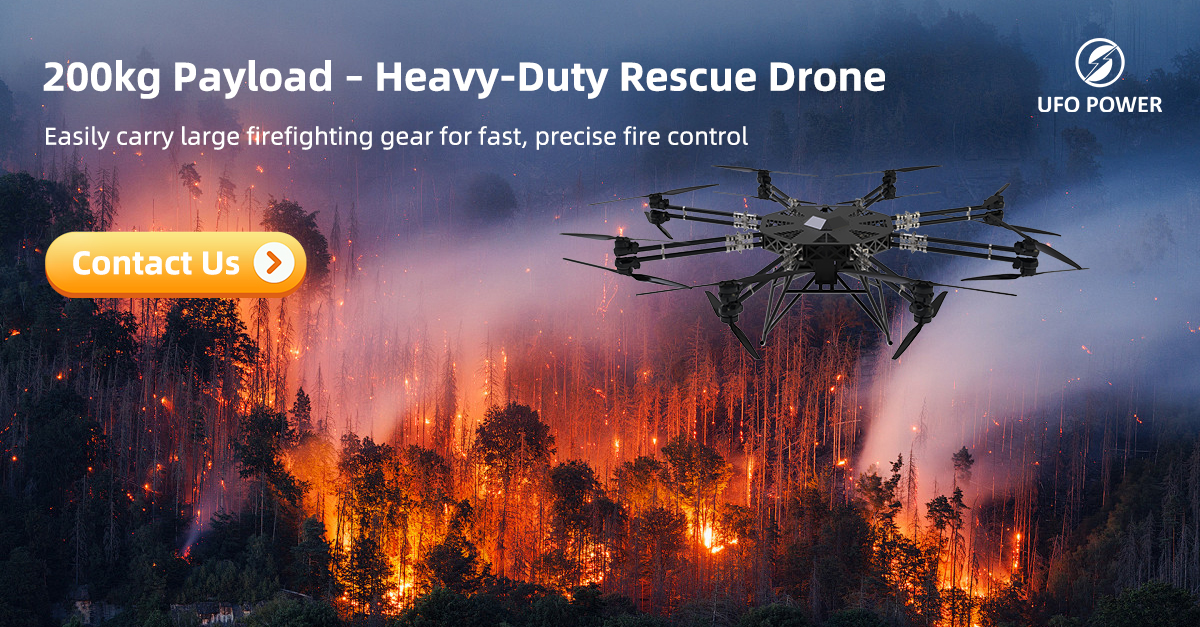
UFOUAV’s firefighting drones go a step further: our heavy-lift platforms can be configured to deploy small fire retardant payloads or emergency supplies to hard-to-reach areas, extending the reach of ground teams without putting personnel at risk.
Are there any safety considerations when using drones in firefighting?
Safety is non-negotiable in drone-assisted firefighting. Key considerations include:
- Complying with local aviation regulations and restricted airspace rules
- Maintaining visual line of sight (VLOS) with the drone at all times
- Avoiding interference with manned firefighting aircraft (e.g., helicopters, air tankers)
- Ensuring operators hold valid certifications and receive specialized firefighting drone training
- Preventing obstruction of ground crew operations or endangering personnel on site
UFOUAV provides comprehensive safety training and compliance support for emergency services teams, helping your operators navigate regulatory requirements and operate drones safely in high-stress environments.
What are the limitations of drones in firefighting?
Drones offer transformative value for firefighting, but they do have inherent limitations:
- Flight time constraints: Battery-powered drones typically have 20–40 minutes of flight time before recharging, limiting continuous operations.
- Weather sensitivity: High winds, heavy smoke, or extreme heat can disrupt flight stability and sensor performance.
- Navigation challenges: Dense vegetation, collapsed structures, or thick smoke can block line of sight and impede navigation.
UFOUAV addresses these limitations with our advanced firefighting UAVs: we offer swappable battery systems for extended mission duration, weather-resistant airframes, and obstacle-avoidance technology to maintain reliable operations even in challenging conditions.